
A Complete Guide to Strategic SEO with Actionable SEO Formulas for Digital Marketers, Bloggers, and Website Owners
Introduction: Why Most Websites Fail to Rank
Here’s a harsh reality: 90.63% of web pages get zero organic traffic from Google. That’s not a typo. Nine out of ten websites are invisible to search engines.
The problem? Most website owners approach SEO like throwing spaghetti at the wall. They publish content randomly, hope for backlinks, and wonder why their rankings never improve. They lack a systematic approach – a proven formula that turns effort into results.
SEO doesn’t have to be complicated. Behind every top-ranking page is a repeatable process – a formula. Whether it’s keyword research, content structure, or link building, success follows predictable patterns. When you understand these patterns and apply them strategically, ranking becomes a science, not a guessing game.
In this comprehensive guide, you’ll discover 21 battle-tested SEO formulas used by top-ranking websites. Each formula includes the exact framework, real-world examples, implementation steps, and common mistakes to avoid. By the end, you’ll have a complete SEO system you can apply immediately to increase your organic traffic.
Formula 1: The Keyword Intent Match Formula
Search intent is the foundation of SEO in 2026. Google’s algorithms now prioritize pages that precisely match what searchers want to find. The Keyword Intent Match Formula ensures your content aligns perfectly with user expectations.
The Formula Structure
Content Type Match Score = (Your Content Format ÷ Top 10 Average Format) × Intent Alignment Score (0-1)
Where Intent Alignment Score equals:
- 1.0 = Perfect match (blog post for informational, product page for transactional)
- 0.7 = Partial match (listicle for comparison intent)
- 0.3 = Weak match (homepage for specific query)
Real-World Example
Target keyword: “best running shoes for beginners”
Analysis of top 10 results:
- 8 out of 10 are comparison listicles (80%)
- 2 out of 10 are buying guides (20%)
- 0 product pages or single reviews
Winning format: Comparison listicle with 7-12 shoe recommendations, pros/cons, price comparison, and beginner-specific advice.
Implementation Steps
- Analyze intent category: Use Google’s results to determine if the query is informational, commercial, transactional, or navigational.
- Study top 10 formats: Document the content type of each ranking page (guide, listicle, tool, video, etc.).
- Identify the dominant pattern: If 7+ results share the same format, that’s your winning template.
- Match and differentiate: Create content in the winning format, but add unique value (better data, expert quotes, case studies).
Common Mistakes to Avoid
- Ignoring SERP analysis: Creating content based on assumptions rather than Google’s actual ranking patterns
- Format mismatch: Writing a blog post when users want a comparison table or calculator
- Outdated intent assumptions: Recheck SERP patterns quarterly; intent shifts as user behavior evolves
Formula 2: The Content Depth Score Formula
Content depth determines whether your article ranks on page one or page ten. This SEO formula quantifies comprehensiveness, helping you create content that satisfies searchers completely.
The Formula Structure
Content Depth Score = (Subtopics Covered ÷ Expected Subtopics) × Quality Multiplier
Quality Multiplier factors:
- +0.2 for original research or data
- +0.2 for expert quotes or case studies
- +0.1 for visual aids (diagrams, screenshots, infographics)
- -0.2 for thin content on any subtopic
Real-World Example
Target keyword: “email marketing automation”
Expected subtopics from top-ranking content:
- What is email automation
- Benefits and ROI statistics
- Types of automated emails
- Best practices for workflows
- Tool comparisons
- Common mistakes
- Getting started guide
Your content covers 7/7 subtopics + includes case study (+0.2) + custom workflow diagrams (+0.1) = Depth Score: 1.3
Implementation Steps
- Extract all H2/H3 headings: Use SEO tools or manual analysis to list every subtopic the top 10 pages cover.
- Create a master outline: Combine all unique subtopics into one comprehensive content outline.
- Add depth multipliers: Include original examples, expert insights, or proprietary data on key sections.
- Fill knowledge gaps: Identify questions competitors missed using ‘People Also Ask’ and forums.
Common Mistakes to Avoid
- Confusing length with depth: 5,000 words of fluff ranks worse than 2,000 words of comprehensive insight
- Skipping visual content: Complex topics need diagrams, screenshots, or charts for clarity
- Missing the primary subtopics: Cover 100% of expected subtopics before adding bonus sections
Formula 3: The Semantic Keyword Density Formula
Keyword stuffing is dead, but semantic relevance is critical. This formula helps you optimize for LSI (Latent Semantic Indexing) keywords and related terms without over-optimization.
The Formula Structure
Semantic Density Score = (Primary Keyword Frequency × 0.4) + (Secondary Keywords × 0.3) + (LSI Terms × 0.3)
Target ranges per 1,000 words:
- Primary keyword: 3-5 mentions (0.3-0.5% density)
- Secondary keywords: 2-3 mentions each (0.2-0.3% density)
- LSI terms: 8-12 total mentions across related terms
Real-World Example
Target keyword: “project management software” (2,500-word article)
Optimal distribution:
- Primary: “project management software” — 10 mentions
- Secondary: “task management tools,” “team collaboration platform” — 6 mentions each
- LSI terms: workflow automation, resource allocation, Gantt charts, sprint planning, agile methodology — 20 total mentions
Implementation Steps
- Extract LSI keywords: Use Google’s ‘Searches related to’ and tools like LSIGraph or Clearscope.
- Map keyword placement: Place primary keyword in H1, first paragraph, one H2, and conclusion.
- Distribute semantically: Spread related terms naturally across sections rather than clustering them.
- Audit density: Use tools like Surfer SEO or manually calculate to stay within target ranges.
Common Mistakes to Avoid
- Over-optimization: Repeating keywords unnaturally triggers spam filters
- Ignoring synonyms: Google understands variations; use ‘PM tools,’ ‘project software,’ etc.
- Neglecting context: Keywords must fit naturally; forced placement damages readability
Formula 4: The Title Tag CTR Optimization Formula
A higher click-through rate (CTR) signals relevance to Google. This SEO formula helps you craft titles that earn more clicks, even when you’re not ranked #1.
The Formula Structure
CTR-Optimized Title = [Number/Year] + [Primary Keyword] + [Power Word] + [Benefit/Hook]
Character limit: 50-60 characters (mobile-friendly display)
Real-World Example
Weak title: “How to Build Backlinks”
Optimized title: “17 Proven Backlink Strategies That Work in 2026”
Breakdown:
- Number: ’17’ (specificity increases trust)
- Primary keyword: ‘Backlink Strategies’
- Power word: ‘Proven’ (builds credibility)
- Benefit: ‘That Work in 2026’ (timeliness + outcome)
Implementation Steps
- Analyze competitor titles: Note patterns in top 3 results—what hooks do they use?
- Add specificity: Use numbers (7 ways, 2026, 45% increase) to stand out.
- Include emotional triggers: Power words like ‘Proven,’ ‘Ultimate,’ ‘Essential,’ ‘Simple’ boost CTR.
- A/B test titles: Use Google Search Console to monitor CTR and refine titles quarterly.
Common Mistakes to Avoid
- Clickbait without substance: Misleading titles increase bounce rate and hurt rankings
- Exceeding 60 characters: Truncated titles on mobile reduce CTR
- Missing the keyword: Always include primary keyword for relevance signals
Formula 5: The Internal Linking Authority Flow Formula
Internal links distribute authority (PageRank) across your site. Strategic internal linking can boost rankings for target pages without acquiring a single backlink.
The Formula Structure
Page Authority Flow = (Σ Linking Page Authority ÷ Outbound Links per Page) × Relevance Score
Where Relevance Score =
- 1.0 = Highly topically relevant linking page
- 0.5 = Moderately relevant
- 0.2 = Loosely relevant (site-wide footer links)
Real-World Example
Goal: Boost “Best CRM Software” article
Strategy:
- Identify high-authority support pages: ‘CRM Features Explained’ (DA 45), ‘CRM Integration Guide’ (DA 42)
- Add contextual links from each support article to the main CRM comparison page
- Create a pillar-cluster structure with 8-10 supporting articles all linking to the main page
Result: Target page receives authority from 8 topically relevant pages, signaling expertise to Google.
Implementation Steps
- Audit existing content: Use tools like Screaming Frog to map all internal links.
- Identify orphan pages: Pages with zero internal links need immediate linking from relevant content.
- Build pillar-cluster models: Create one comprehensive pillar page linked to 8-12 supporting cluster articles.
- Use descriptive anchor text: Avoid ‘click here’; use keyword-rich phrases like ‘learn about email automation strategies.’
Common Mistakes to Avoid
- Over-linking from one page: Limit outbound internal links to 10-15 per article to preserve authority flow
- Irrelevant linking: Don’t force links between unrelated topics; relevance matters
- Neglecting deep pages: Ensure valuable content 3+ clicks from homepage gets internal links
Formula 6: The Topical Authority Score Formula
Google favors sites recognized as authorities in specific niches. This formula for SEO measures and builds your topical authority systematically.
The Formula Structure
Topical Authority = (Cluster Coverage × Depth Score × Content Freshness) ÷ Site Age Factor
Components:
- Cluster Coverage: Percentage of subtopics you’ve covered (target: 80%+)
- Depth Score: Average content quality across topic cluster
- Content Freshness: Percentage of articles updated in last 12 months
Real-World Example
Niche: Keto Diet
Building authority:
- Map topic universe: Keto basics, recipes, meal plans, supplements, keto for athletes, keto and diabetes (25 subtopics identified)
- Create pillar content for each cluster: ‘Complete Keto Guide,’ ‘Keto Meal Planning,’ etc.
- Publish 50+ supporting articles covering 90% of subtopics
- Update 60% of content annually with new research
Result: Site establishes topical authority, ranking for hundreds of keto-related keywords.
Implementation Steps
- Define your niche tightly: ‘Digital marketing’ is too broad; ‘Email marketing for SaaS’ is specific.
- Map the entire topic landscape: Use tools like AnswerThePublic, AlsoAsked, and keyword clustering.
- Prioritize content gaps: Create content for underserved subtopics first.
- Maintain freshness: Update top 20% of pages every 3-6 months.
Common Mistakes to Avoid
- Topic dilution: Covering too many unrelated niches confuses Google about your authority
- Incomplete coverage: Publishing 10 articles doesn’t establish authority; aim for 50+ in your niche
- Ignoring content decay: Outdated content signals declining expertise
Formula 7: The Natural Backlink Velocity Formula
Rapid backlink growth triggers spam filters. This formula ensures your link building maintains a natural, sustainable pace.
The Formula Structure
Safe Monthly Backlinks = (Current Domain Authority ÷ 10) + (Site Age in Months ÷ 3)
Examples:
- New site (3 months, DA 15): 15÷10 + 3÷3 = 2.5 backlinks/month
- Established site (24 months, DA 40): 40÷10 + 24÷3 = 12 backlinks/month
Real-World Example
Scenario: 6-month-old blog (DA 20) wants to build links aggressively
Safe velocity: 20÷10 + 6÷3 = 4 backlinks/month
Strategy: Focus on 3-5 high-quality links monthly through guest posts, digital PR, and resource page outreach rather than chasing quantity.
Implementation Steps
- Calculate your baseline: Use the formula to set monthly link acquisition targets.
- Prioritize quality over quantity: One DR 70 link outweighs ten DR 20 links.
- Diversify anchor text: 70% branded/natural, 20% topical, 10% exact match.
- Monitor link growth: Track backlinks weekly; sudden spikes warrant investigation.
Common Mistakes to Avoid
- Buying bulk links: 50 links overnight screams spam; spread acquisition over months
- Ignoring link quality: Low-quality links from spammy sites hurt more than they help
- Inconsistent building: Acquiring links erratically (20 one month, 0 the next) looks unnatural
Formula 8: The E-E-A-T Optimization Formula
Google’s Quality Rater Guidelines emphasize Experience, Expertise, Authoritativeness, and Trustworthiness. This SEO formula quantifies E-E-A-T signals.
The Formula Structure
E-E-A-T Score = (Author Credentials × 0.25) + (Content Accuracy × 0.25) + (Citations × 0.25) + (Trust Signals × 0.25)
Trust signals include: HTTPS, privacy policy, author bios, cited sources, editorial guidelines, contact information.
Implementation Steps
- Add author bylines with credentials: Include professional background, certifications, or relevant experience.
- Cite authoritative sources: Link to peer-reviewed studies, government data, industry reports.
- Display trust badges: Security seals, professional affiliations, media mentions.
- Maintain content accuracy: Fact-check claims, update statistics, correct errors promptly.
Formula 9: The Featured Snippet Optimization Formula
Snippet Score = (Question Format Match × 0.4) + (Answer Clarity × 0.3) + (Content Structure × 0.3)
Target queries with existing featured snippets. Format answers in 40-60 words, use H2 questions, and provide concise definitions or step-by-step lists.
Formula 10: The Content Freshness Score Formula
Freshness Score = (Days Since Last Update ÷ 365) × Relevance Decay Rate
Topics with high decay rates (news, tech, finance) need quarterly updates. Evergreen topics (history, philosophy) can remain fresh for years. Update high-traffic pages every 3-6 months.
Formula 11: The User Engagement Score Formula
Engagement Score = (1 – Bounce Rate) × (Avg. Session Duration ÷ 2 minutes) × (Pages per Session)
Reduce bounce rate with compelling hooks, improve dwell time with scannable content, and increase pages per session through strategic internal linking.
Formula 12: The Mobile-First Optimization Formula
Mobile Score = (Core Web Vitals Score × 0.5) + (Mobile Usability × 0.3) + (Responsive Design × 0.2)
Target LCP < 2.5s, FID < 100ms, CLS < 0.1. Use responsive images, compress files, minimize JavaScript, and test on actual mobile devices.
Formula 13: The Schema Markup ROI Formula
Schema Impact = (Rich Snippet Appearance Rate × CTR Increase) + (SERP Feature Visibility)
Implement Article, FAQ, HowTo, Product, and Review schemas. Rich results increase CTR by 20-30%. Use Google’s Rich Results Test to validate implementation.
Formula 14: The Keyword Cannibalization Fix Formula
Cannibalization Risk = (Number of Pages Targeting Same Keyword) ÷ (Keyword Intent Variations)
Audit pages ranking for identical keywords. Consolidate weak pages into authoritative versions, use 301 redirects, and differentiate intent (informational vs. transactional).
Formula 15: The Link Building Outreach Conversion Formula
Outreach Success Rate = (Personalization Score × 0.4) + (Value Proposition × 0.4) + (Target Relevance × 0.2)
Personalize emails by referencing specific content, offer unique value (original research, expert quotes), and target sites in your niche. Average success rate: 5-15%.
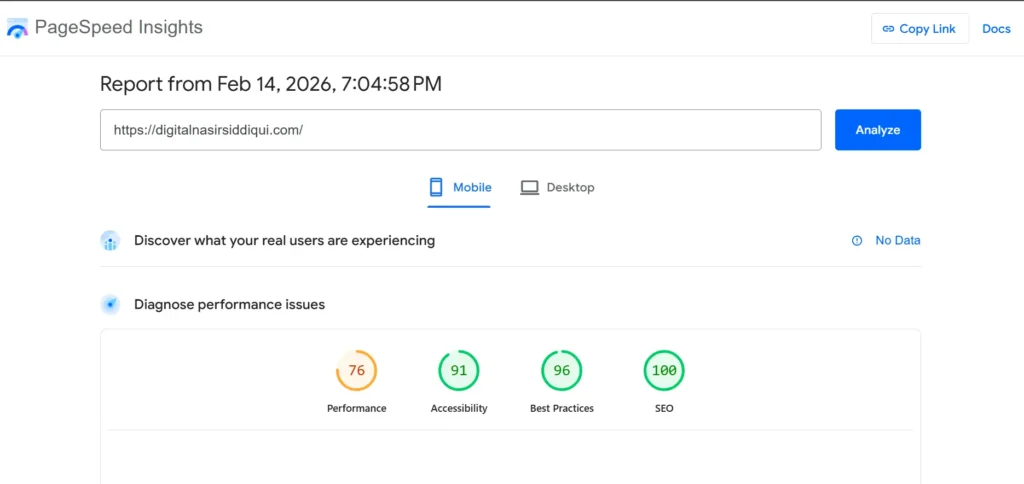
Formula 16: The Page Speed Impact Formula
Speed Impact Score = (Load Time Reduction in Seconds) × (10% Conversion Increase per Second)
Every 1-second delay reduces conversions by 7%. Optimize images, leverage browser caching, minify CSS/JS, and use a CDN. Target sub-3-second load times.
Formula 17: The Content Update Priority Formula
Update Priority = (Current Rankings × Traffic Potential) ÷ (Days Since Update + 90)
Prioritize pages ranking positions 4-15 with high traffic potential. Update these first for quick wins. Add 500-1000 words, refresh data, and improve formatting.
Formula 18: The Conversion-Focused SEO Formula
SEO ROI = (Organic Traffic × Conversion Rate × Average Order Value) – SEO Investment
Optimize for commercial keywords, add CTAs above the fold, use trust signals, and A/B test landing pages. Track conversions, not just traffic.
You know User Interface of website also matters, that’s why we have created a Complete Guide on Choosing Primary Colors in Design of Brands.
Formula 19: The Competitor Gap Analysis Formula
Opportunity Score = (Competitor Keywords – Your Keywords) × (Avg. Search Volume) ÷ (Avg. Difficulty)
Identify keywords competitors rank for but you don’t. Prioritize high-volume, low-difficulty gaps. Use tools like Ahrefs Content Gap or SEMrush Keyword Gap.
Formula 20: The Video SEO Optimization Formula
Video SEO Score = (Transcript Quality × 0.3) + (Thumbnail CTR × 0.3) + (Engagement Rate × 0.4)
Upload transcripts, optimize titles with keywords, create custom thumbnails, and embed videos in blog posts. YouTube videos can rank in Google search results.
Formula 21: The Local SEO Ranking Formula
Local Rank = (GMB Optimization × 0.4) + (Local Citations × 0.3) + (Reviews Score × 0.3)
Claim Google My Business, build citations on Yelp/YellowPages, earn 20+ reviews with 4.5+ rating, and optimize for ‘near me’ searches. Add location pages for multi-location businesses.
Mini Case Studies: Formulas in Action
Case Study 1: SaaS Blog Increases Traffic 320% in 6 Months
Challenge: Software company struggled to rank for competitive keywords.
SEO Formulas applied:
- Keyword Intent Match Formula – Shifted from product pages to educational content
- Topical Authority Score – Published 60 articles across 5 topic clusters
- Internal Linking Authority Flow – Built pillar-cluster architecture
Results: 320% traffic increase, 15 keywords in top 3, 200+ qualified leads monthly.
Case Study 2: E-commerce Store Captures Featured Snippets
Challenge: Outdoor gear retailer wanted to dominate ‘how-to’ searches.
Formulas applied:
- Featured Snippet Optimization Formula – Reformatted 30 articles with question H2s
- Schema Markup ROI – Added HowTo schema to all guides
- Content Depth Score – Expanded guides with step-by-step images
Results: Captured 12 featured snippets, 45% CTR increase, 180% organic revenue growth.
Case Study 3: Local Service Business Dominates Map Pack
Challenge: HVAC company invisible in local search results.
Formulas applied:
- Local Ranking SEO Formula – Optimized GMB with photos, posts, Q&A
- E-E-A-T Optimization – Added technician bios and certifications
- User Engagement Score – Reduced bounce rate with service-specific landing pages
Results: Ranked #1 in map pack for 8 service keywords, 250% increase in qualified calls.
Frequently Asked Questions (FAQ)
Q1: How long does it take to see results from these SEO formulas?
Most formulas show initial results within 2-4 months, with significant improvements by 6-12 months. Technical fixes (page speed, mobile optimization) can impact rankings within weeks. Content-based strategies (topical authority, depth score) require consistent execution over 3-6 months. Link building seo formulas typically show measurable impact after 4-6 months of sustained effort.
Q2: Which formulas should I prioritize as a beginner?
Start with three foundational formulas: Keyword Intent Match (ensures you target the right opportunities), Content Depth Score (helps you create comprehensive content), and Internal Linking Authority Flow (maximizes your existing content’s potential). These require no budget and deliver measurable results within 3-4 months.
Q3: Can I use these formulas for e-commerce sites?
Absolutely. E-commerce sites benefit especially from the Conversion-Focused SEO Formula, Schema Markup ROI (Product schema), Mobile-First Optimization, and Page Speed Impact Formula. Additionally, Content Depth Score applies to category pages and buying guides, while User Engagement Score helps optimize product pages for lower bounce rates.
Q4: How often should I update my content using the Content Freshness Formula?
It depends on your niche. High-velocity topics (technology, finance, news) need quarterly updates. Moderate-velocity topics (marketing, health, business) benefit from bi-annual refreshes. Evergreen topics (history, fundamental concepts) remain fresh for 1-2 years. Use the Content Update Priority Formula to systematically identify which pages need attention first.
Q5: Are these formulas still effective with AI-generated content?
Yes, but with important caveats. The formulas themselves are tool-agnostic—they measure quality signals Google values regardless of content origin. However, E-E-A-T Optimization Formula becomes even more critical with AI content. Add human expertise, original research, fact-checking, and editorial oversight. AI can help scale production, but formulas ensure your content meets ranking standards.
30-Day Implementation Roadmap
Use this strategic roadmap to apply the 21 SEO formulas systematically. Each week focuses on high-impact activities that build upon previous progress.
Week 1: Foundation & Analysis
Days 1-2: Audit current performance (traffic, rankings, backlinks)
Days 3-4: Apply Keyword Intent Match Formula to top 10 target keywords
Days 5-7: Implement Technical SEO checks (Mobile-First, Page Speed, Schema)
Week 2: Content Optimization
Days 8-10: Calculate Content Depth Score for existing top pages; identify gaps
Days 11-12: Update 3-5 high-priority pages using Content Update Priority Formula
Days 13-14: Optimize title tags with CTR Optimization Formula
Week 3: Authority Building
Days 15-17: Map topical authority gaps; plan content clusters
Days 18-19: Implement Internal Linking Authority Flow across pillar content
Days 20-21: Apply E-E-A-T Formula: add author bios, citations, trust signals
Week 4: Growth & Promotion
Days 22-24: Launch link building outreach using Natural Backlink Velocity Formula
Days 25-27: Optimize for featured snippets on 5 target queries
Days 28-30: Review analytics, calculate ROI, plan next 30-day cycle
Conclusion: From Random Tactics to Strategic Systems
SEO success isn’t about luck or guesswork. It’s about applying proven SEO formulas consistently. The 21 formulas in this guide represent years of testing, data analysis, and real-world results from thousands of websites.
Remember: You don’t need to implement all 21 seo formulas simultaneously. Start with the foundational trio—Keyword Intent Match, Content Depth, and Internal Linking—then expand to authority building, technical optimization, and conversion strategies.
The websites dominating search results in 2026 aren’t necessarily those with the biggest budgets or the most experience. They’re the ones systematically applying these formulas, measuring results, and continuously optimizing.
Your next step: Choose three seo formulas from this guide. Implement them over the next 30 days. Track your rankings, traffic, and conversions. Refine your approach. Then add three more formulas.
SEO in 2026 rewards strategic execution over random effort. Use these formulas as your roadmap, and watch your organic traffic grow month after month.
I was recommended this web site through my cousin. I’m
You’re incredible! Thank you!